Creatine for Women in Strength and Muscle Health
Creatine for women
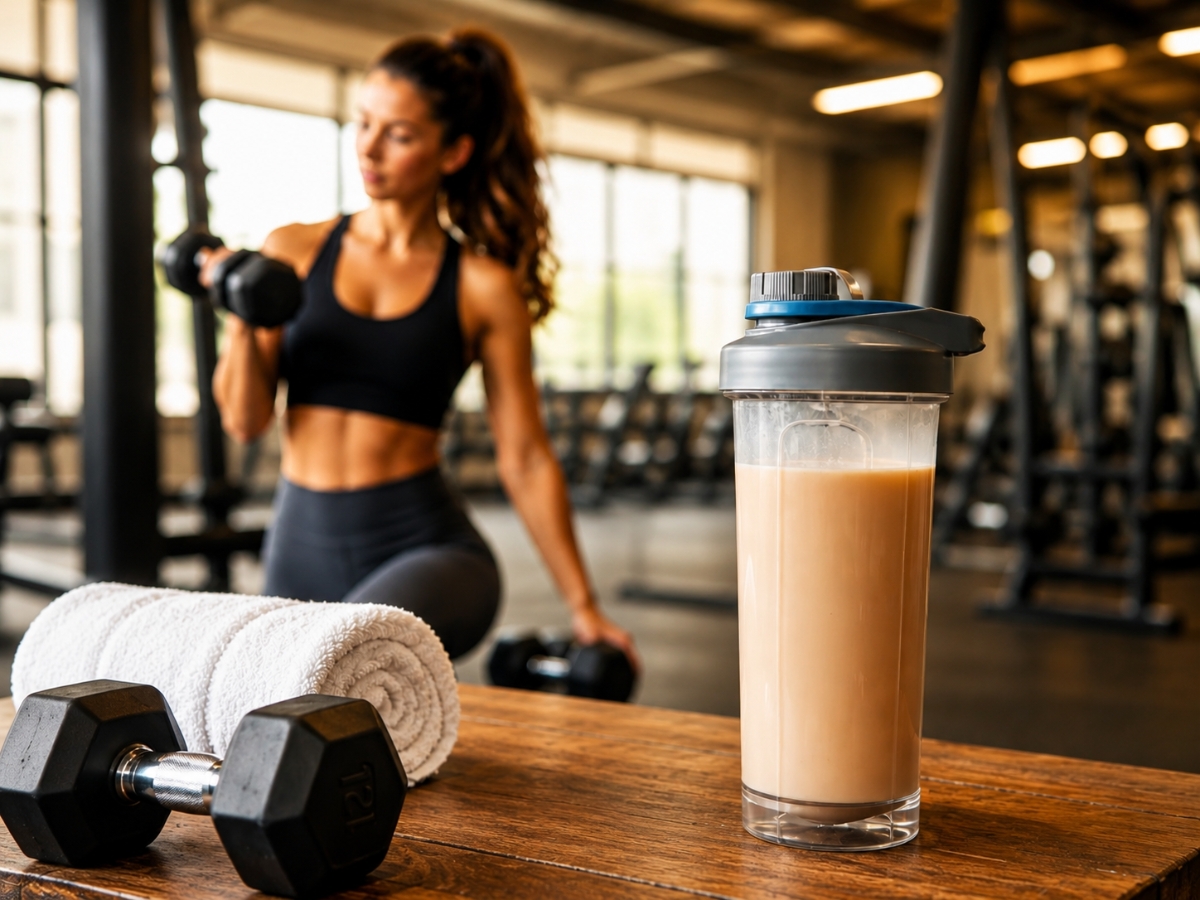
Creatine for women is finally moving beyond old gym myths. It is not a “bulking” shortcut, not a steroid, and not only for male bodybuilders. For women dealing with low energy, slower workout recovery, brain fog, or strength loss around hormonal shifts, creatine deserves a much closer look.
The appeal is practical. Women want supplements that actually support training, muscle retention, and mental clarity without overcomplicating the routine. Creatine monohydrate fits that space because it helps the body recycle quick energy for muscles and the brain.
Why Creatine Works Differently Than People Think
Creatine is a compound the body makes naturally and also gets from foods like meat and fish. It is stored mostly in muscle as phosphocreatine, which helps regenerate ATP. ATP is the body’s quick-use energy currency. When lifting weights, sprinting, climbing stairs, or pushing through a hard set, ATP runs down fast. Creatine helps recharge that system.
That is why creatine monohydrate benefits for women are not limited to bigger muscles. It can support strength, short bursts of power, training volume, recovery, and possibly cognitive energy. The International Society of Sports Nutrition describes creatine monohydrate as one of the most effective supplements for increasing high-intensity exercise capacity and lean mass during training. Benefits have been reported in both men and women, though women remain underrepresented in some studies.
Creatine for Women and Hormonal Energy Shifts
Creatine for women becomes especially interesting when viewed through hormones. Across the menstrual cycle, estrogen and progesterone shift. In the luteal phase, which is the second half of the cycle, many women notice higher body temperature, more fatigue, heavier cravings, mood changes, and slower recovery.
Not every woman feels this strongly. Some barely notice it. But for women who do, phase-aware workout supplements can help build a smarter routine. This does not mean changing everything every week. It means paying attention to when energy drops and recovery needs extra support.
Research on women’s health and creatine notes that hormone-related changes may affect creatine kinetics and phosphocreatine resynthesis, with possible relevance during menstruation, pregnancy, postpartum, and menopause. Creatine should be viewed as a support tool, not a hormone treatment or replacement for medical care.
Brain Fog and Cognitive Support
Creatine is often discussed for muscle, but the brain also uses a lot of energy. That matters for women who deal with mental fatigue, concentration dips, or cognitive changes during perimenopause. Creatine for brain fog in women is an emerging area, not a miracle claim. The logic is simple: if the brain needs quick energy and creatine helps buffer cellular energy, then low or shifting energy states may benefit from better creatine availability.
A recent women’s health review highlighted potential creatine applications across female life stages, including mood, cognition, pregnancy, and post-menopause, while also noting the need for more menstrual-cycle-controlled studies.
For perimenopause, this may be especially relevant. Estrogen drops and energy changes can show up as poor focus, mental heaviness, sleep disruption, and reduced training drive. Cognitive health during perimenopause deserves more attention than it usually gets.
Creatine for Women in the Luteal Phase
Creatine for women can be useful as a steady daily supplement, but some women may pay extra attention during the luteal phase. A study on active women examined creatine monohydrate loading across menstrual cycle phases and found signs that creatine may positively influence recovery measures across the cycle, though the researchers did not find a clear phase-by-supplement interaction.
Translation: the evidence is promising, but not settled.
For luteal phase workout recovery, the practical takeaway is to track symptoms. If strength, soreness, sleep, or motivation dip in the second half of the cycle, consistent creatine may be worth discussing with a healthcare professional or sports dietitian.
 Estrogen drops and energy
How Much Creatine Makes Sense?
For most healthy adults, the common daily range is 3 to 5 grams of creatine monohydrate. Many women do not need a loading phase. Loading usually means taking higher doses for several days to saturate muscles faster, but it can also increase bloating or stomach discomfort.
A simple daily dose is easier to follow.
Take it with water, coffee, a smoothie, or a post-workout meal. Timing matters less than consistency. Hydration helps, but creatine does not require extreme water intake. Just drink normally and adjust for sweat, climate, and training.
Smart Creatine Use for Women
Use these practical steps before starting:
- Choose plain creatine monohydrate, preferably micronized.
- Start with 3 grams daily if digestion feels sensitive.
- Move to 5 grams daily if training volume is higher.
- Skip stimulant-heavy pre-workout blends if they cause jitters.
- Track strength, soreness, energy, sleep, and cycle symptoms.
- Pair creatine with resistance training for better muscle support.
- Speak with a clinician if pregnant, breastfeeding, managing kidney disease, or taking complex medication.
This keeps supplementation clean and realistic.
Why Muscle Retention Matters
Muscle retention for female health is not only about appearance. Muscle supports metabolism, insulin sensitivity, bone strength, posture, independence, and injury prevention. As women age, especially around perimenopause and menopause, preserving muscle becomes more important. Strength training remains the foundation. Creatine may support the training process by helping women push harder, recover better, and maintain lean tissue.
A female athlete nutrition position stand notes that creatine supplementation of 3 to 5 grams per day is recommended for mechanistic support related to muscle protein kinetics, glycogen and calcium regulation, oxidative stress, and inflammation.
That makes creatine one of the more evidence-backed female athletic performance tips.
Conclusion
Creatine for women is not about hacking the body in a reckless way. It is about supporting energy systems that already matter for strength, recovery, muscle retention, and possibly brain fog. Women may find it especially useful during demanding training phases, the luteal phase, and perimenopause, when energy and recovery can feel less predictable. The smartest approach is simple: choose creatine monohydrate, take 3 to 5 grams consistently, pair it with resistance training, and track how the body responds. It will not replace sleep, food, hormones, or good programming, but it can be a strong, practical tool in a woman’s fitness routine.